

Beaver Lake is a large man-made reservoir in the Ozark Mountains of northwest Arkansas, stretching across Benton, Carroll, Madison, and Washington counties. It has become one of the most important lakes in the region for flood control, drinking water, clean energy, recreation, fishing, and economic impact. Today, it’s hard to imagine northwest Arkansas without Beaver Lake, but the story of how it came to be starts long before the dam was built.
Early History (Before the Lake)
Before Beaver Lake existed, the area was a winding river valley along the White River, surrounded by farms, forests, and small rural communities. Generations of families lived and worked in this valley, raising crops and livestock on rich bottomland and using the river as a vital transportation and water source.
One of the most notable communities in the area was Monte Ne, a resort town developed in the early 1900s by businessman and political figure William “Coin” Harvey. Monte Ne featured grand hotels, a railroad spur, and ambitious plans to become a major vacation and political gathering spot. When the decision was made to build Beaver Dam and create the lake, much of Monte Ne and the surrounding valley were eventually flooded. Today, remnants of the old town still rest beneath the waters of Beaver Lake, adding a layer of mystery and history that fascinates locals and visitors alike.
Creation of the Lake
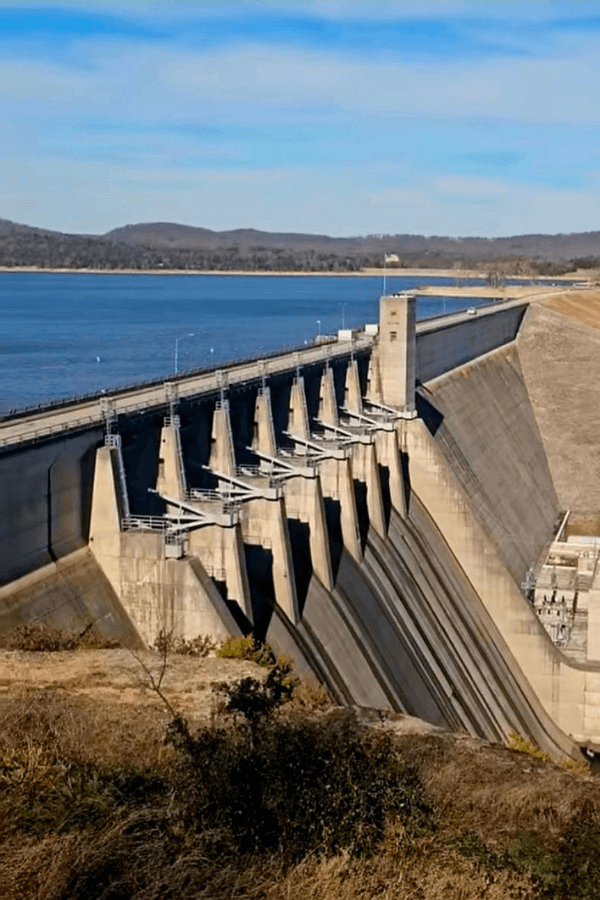
Beaver Lake was created when the U.S. Army Corps of Engineers constructed Beaver Dam on the White River. Authorized by federal flood control and water resource legislation in the mid-20th century, the project aimed to address recurring flooding issues, support regional development, and provide a stable water supply.
Construction of the dam began in 1960, involving thousands of workers, massive concrete pours, and extensive engineering work. By 1966, the dam and lake were completed and the valley behind the dam had filled with water, forming the reservoir known today as Beaver Lake. The project was part of a larger White River Basin flood-control system designed to reduce flooding downstream in Arkansas and along the Mississippi River, while also offering new opportunities for power generation and recreation.
Size and Geography
Once the dam was finished, the White River backed up into the steep Ozark valleys, creating a long, winding lake. Beaver Lake stretches roughly 50 miles in length, covers about 28,000 surface acres of water at normal pool, and features nearly 480 miles of irregular, tree-lined shoreline.
The lake is known for its striking scenery: high limestone bluffs, rocky points, hidden coves, caves, and rolling, forested hills. Clear water and dramatic topography make Beaver Lake one of the most scenic lakes in Arkansas, drawing boaters, anglers, campers, and photographers throughout the year.
Importance to Northwest Arkansas
Since its completion, Beaver Lake has become a cornerstone resource for northwest Arkansas. It supplies drinking water to hundreds of thousands of residents and is managed carefully to maintain both water quality and reliable availability. The hydroelectric generating facilities at Beaver Dam provide clean energy, contributing to the regional power grid.
Equally important, Beaver Lake plays a key role in flood control for the White River watershed, helping protect communities downstream from damaging high-water events. Beyond these practical benefits, the lake has grown into a major driver of tourism and outdoor recreation. Marinas, campgrounds, parks, vacation rentals, and local businesses all benefit from the steady stream of visitors who come to fish, boat, swim, and relax along its shores.
Fishing History
Beaver Lake gained recognition as a fishing destination soon after it filled. Over the decades, it has developed strong populations of multiple gamefish species, including striped bass, hybrid striped bass, white bass, largemouth bass, spotted bass, smallmouth bass, paddlefish (spoonbill), walleye, crappie, and catfish. Careful management and regular stocking have helped maintain both variety and quality.
The lake’s clear water, deep structure, and abundant forage, especially threadfin and gizzard shad, create ideal conditions for gamefish to thrive. These factors have made Beaver Lake one of the best striped bass fisheries in the Midwest and a favorite destination for anglers seeking both numbers of fish and the chance at a true trophy.
Book Your Guided Beaver Lake Trip
If you’re ready to experience Beaver Lake’s history, scenery, and incredible fishing for yourself, booking a guided trip is one of the best ways to do it. An experienced local guide can help you safely navigate the lake, dial in the best seasonal patterns, and put you on quality fish, whether you’re chasing stripers, bass, or a mix of species. Schedule your guided Beaver Lake fishing trip today and turn your visit into a memorable day on the water.