Shad are one of the most important forage fish in many U.S. lakes because they are the engine that drives the entire food chain.
Here’s why they matter so much:
🐟 1. They are the primary food source for predatory sport fish
Species like:
- Striped bass
- White bass
- Largemouth bass
- Crappie
- Walleye
…and others rely heavily on shad.
Two main shad species help feed these fish:
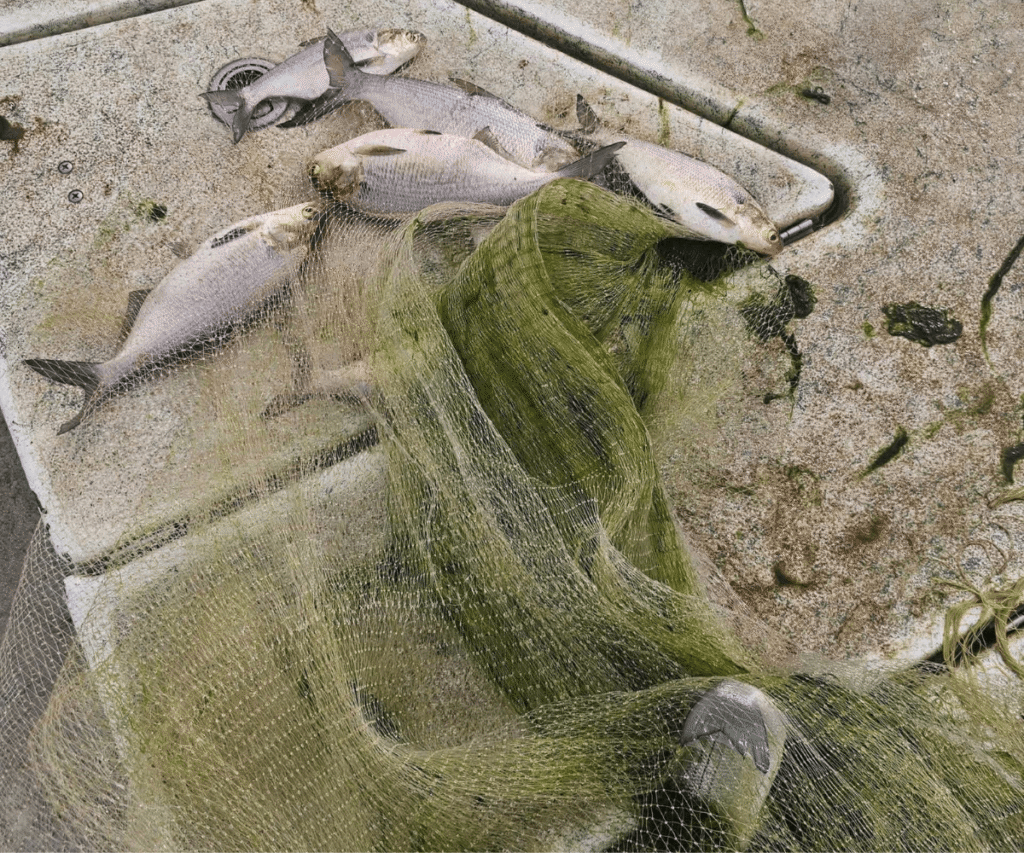
- Gizzard shad
- Threadfin shad
Without shad, predator populations drop in size, health, and numbers.
🐟 2. They convert plankton into usable energy
Shad eat:
- phytoplankton
- zooplankton
Then larger fish eat the shad.
They basically turn microscopic life into big, catchable fish.
🐟 3. They help gamefish grow fast
Lakes with strong shad populations usually have:
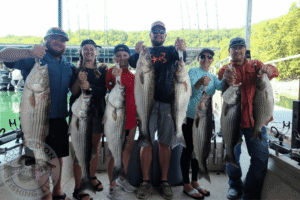
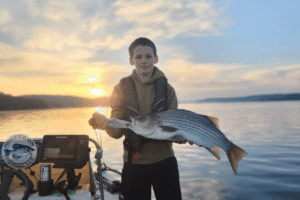
- fatter stripers
- bigger largemouth
- rapid growth for hybrids and white bass
Predators pack on weight quickly because shad are oily, high-protein forage.
🐟 4. They influence fish behavior in the lake
Shad schools dictate where predators move.
For example:
- In winter they gather deep → predators follow.
- In spring they spawn on shallow banks → predators feed heavily there.
- In summer they roam open water → schooling action increases.
If you find the shad, you find the game fish.
🐟 5. They stabilize the lake’s ecosystem
Shad help:
- control plankton levels
- reduce algal blooms
- maintain nutrient balance
A lake without shad often becomes unstable, with poorer water quality and fewer sport fish.
🐟 6. But too many shad can be a problem
Especially gizzard shad, which can grow too large for predators to eat.
This can lead to:
- stunted predator populations
- overly turbid (murky) water
- competition with small panfish
Fishery managers closely monitor shad numbers for this reason.
🐟 Bottom line
Shad are the foundation of the food chain in most warm-water lakes.
Healthy shad populations = healthy bass, stripers, hybrids, crappie and walleye.