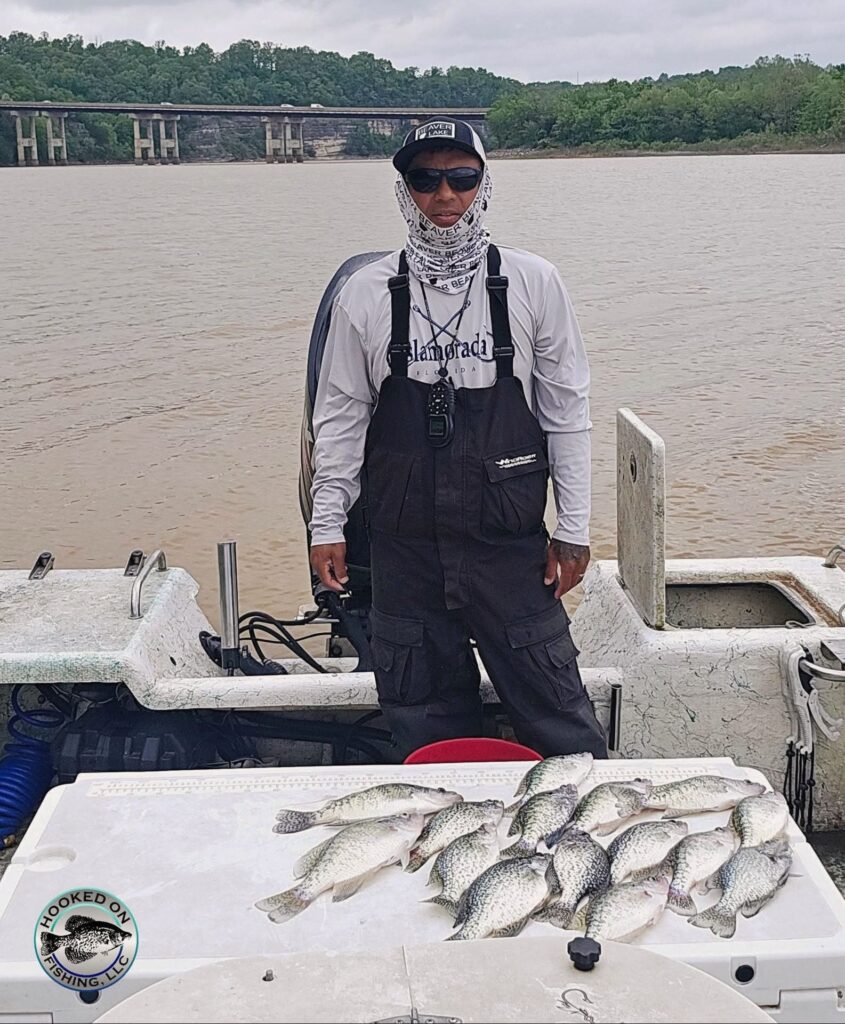
A mudline can have a big impact on fishing because it creates a natural boundary in the water where muddy water meets clear water. This often happens after heavy rain, rising water, or when a river flows into a lake like Beaver Lake. Many anglers actually look for mudlines because they can concentrate fish and bait.
Why Mudlines Help Fishing
1. Predator Fish Use It for Ambush
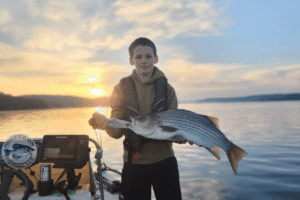
Gamefish like Striped Bass, White Bass, and Hybrid Striped Bass often sit right on the edge of the mudline.
- The muddy side hides the predator.
- The clear side lets them see bait.
This gives them a perfect ambush advantage.
2. Baitfish Gather Along the Edge
Bait like Threadfin Shad and Gizzard Shad tend to stack along mudlines because:
- Muddy water often carries nutrients and plankton.
- Wind and current push food into the edge.
When bait stacks up, predators follow.
3. Light Penetration Changes
Muddy water blocks light. This creates a low-visibility zone, which:
- Makes bait less cautious
- Helps predator fish hunt easier
4. Temperature Differences
Sometimes muddy water warms faster in spring. That warmer water can attract bait and fish earlier in the day.
Best Ways to Fish a Mudline
- Cast or troll right along the color change, not deep inside the muddy water.
- Use lures with vibration or flash so fish can detect them.
- Run baits parallel to the line rather than straight through it.
Tip for Beaver Lake Spring Fishing
On lakes like Beaver Lake, a mudline often forms where rivers like the White River enter the lake. In spring, stripers and white bass frequently cruise those color lines feeding on shad.
Quick rule: “Fish the edge of the mud, not the middle of it.”